Second self
Second self
Introduction
Introduction
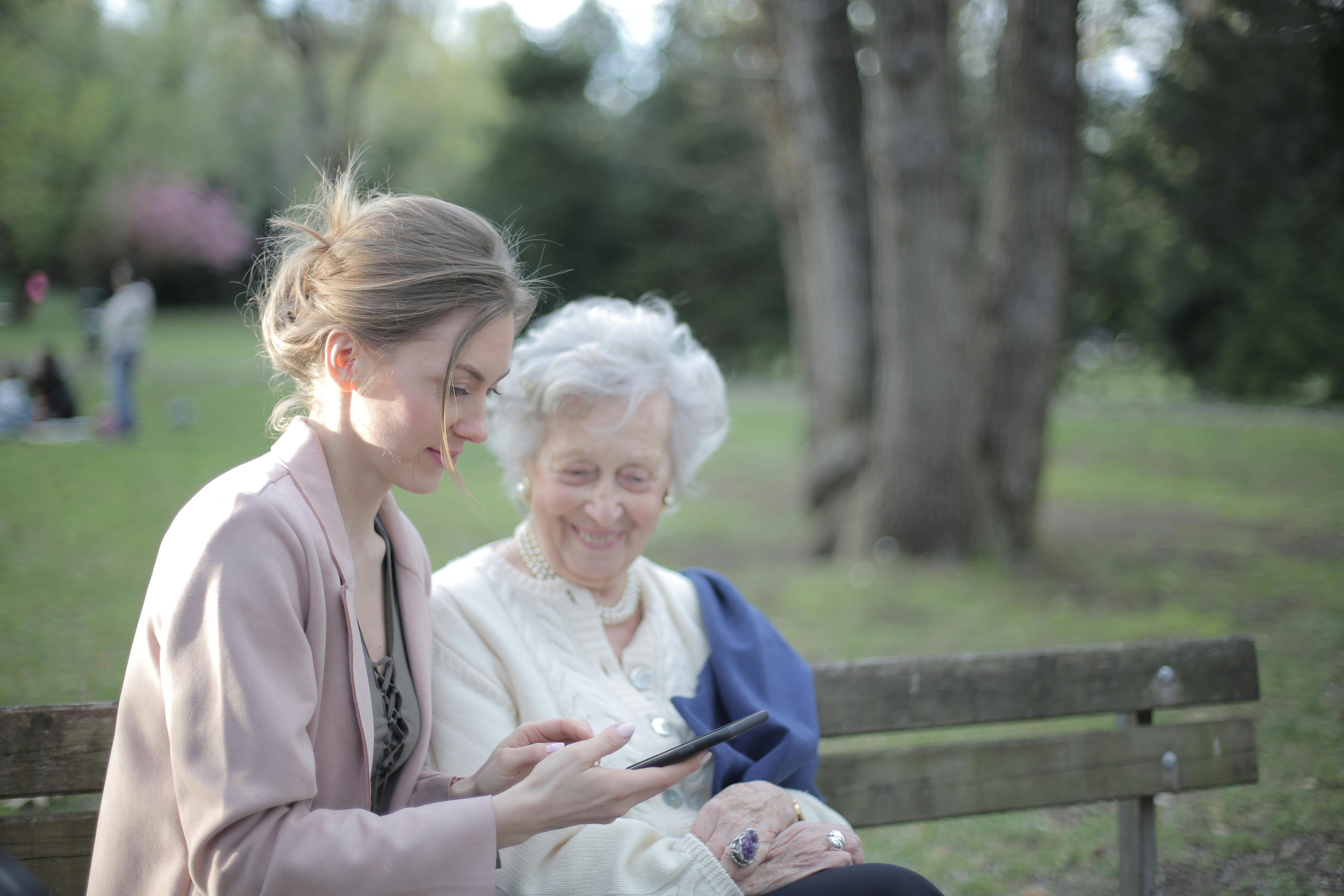
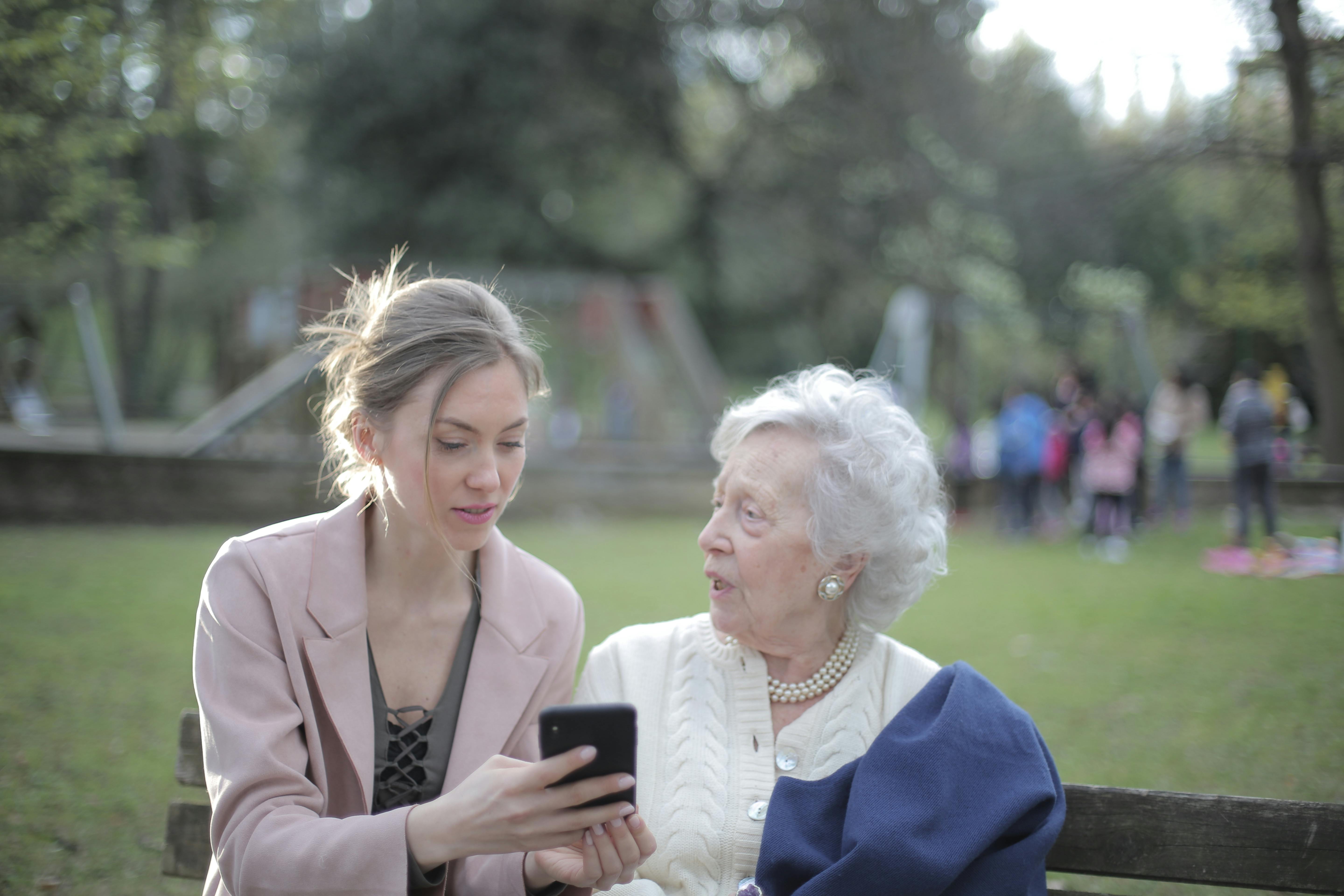
Second Self is a digital platform that connects older adults in Newham, London with nearby companions who share similar interests and cultural backgrounds, within a one to five mile radius, while also providing structured support for caregivers and coordinated access to local community resources.
Year
2025
Industry
Health and Social Care
Scope of work
/
Governance design
/
Policy design
/
Service blueprinting
/
Civic design
/
Community empowerment
Timeline
5 weeks

Introduction
Second Self is a digital platform that connects older adults in Newham, London with nearby companions who share similar interests and cultural backgrounds, within a one to five mile radius, while also providing structured support for caregivers and coordinated access to local community resources.
Year
2025
Industry
Health and Social Care
Scope of work
/
Governance design
/
Policy design
/
Service blueprinting
/
Civic design
/
Community empowerment
Timeline
5 weeks
Challenges
Challenges
Newham is one of London’s most densely populated and culturally diverse boroughs. Older adults live within walking distance of neighbours, community centres, and green spaces and still report going days without meaningful human interaction. This is urban isolation: surrounded by people and activity, yet fundamentally disconnected from it.
Newham is one of London’s most densely populated and culturally diverse boroughs. Older adults live within walking distance of neighbours, community centres, and green spaces and still report going days without meaningful human interaction. This is urban isolation: surrounded by people and activity, yet fundamentally disconnected from it.
Behavioural and cultural research across Newham revealed that older adults were not looking for companionship in the abstract. They were looking for someone who understood something specific about their life: a shared mother tongue, a shared cultural reference, a shared religious practice. Generic solutions failed in Newham because they offered connection in the abstract while missing the cultural specificity that makes connection feel real.

Our Process
Our Process
We designed a platform that connects older adults with companions within a one to five mile radius based on shared interests and cultural background. The interface prioritised accessibility: large typography, intuitive navigation, multilingual support, and optional voice assistance. A governance and policy framework defined safeguarding protocols, companion verification, and escalation pathways, because without that foundation no older adult in Newham would engage with it.
We designed a platform that connects older adults with companions within a one to five mile radius based on shared interests and cultural background. The interface prioritised accessibility: large typography, intuitive navigation, multilingual support, and optional voice assistance. A governance and policy framework defined safeguarding protocols, companion verification, and escalation pathways, because without that foundation no older adult in Newham would engage with it.
The civic design layer surfaced and connected users to existing local community resources that were already there but inaccessible to the people who needed them most: dementia-friendly spaces, cultural community centres, faith organisation networks, and multilingual support services. Second Self was not designed to replace those structures. It was designed to make them legible and accessible. A working prototype was built as a proof of concept demonstrating the full service in navigable form.
The civic design layer surfaced and connected users to existing local community resources that were already there but inaccessible to the people who needed them most: dementia-friendly spaces, cultural community centres, faith organisation networks, and multilingual support services. Second Self was not designed to replace those structures. It was designed to make them legible and accessible. A working prototype was built as a proof of concept demonstrating the full service in navigable form.
The civic design layer surfaced and connected users to existing local community resources that were already there but inaccessible to the people who needed them most: dementia-friendly spaces, cultural community centres, faith organisation networks, and multilingual support services. Second Self was not designed to replace those structures. It was designed to make them legible and accessible. A working prototype was built as a proof of concept demonstrating the full service in navigable form.


Final Thoughts
Final Thoughts
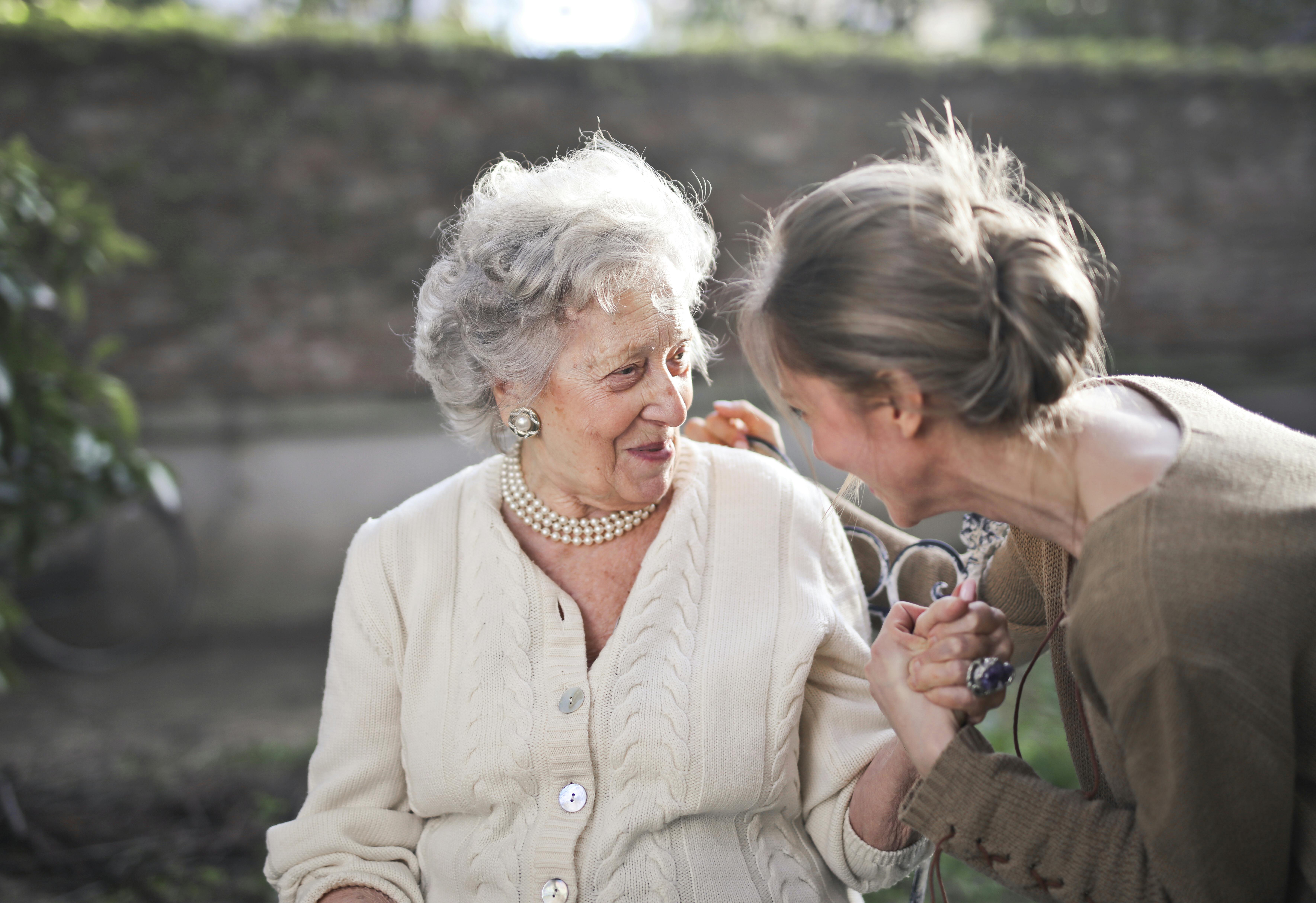
Second Self creates a circular ecosystem where engagement reinforces itself. Older adults connect with companions. Companions stay active. Caregivers gain visibility and coordination support. Community organisations grow their participation.
Second Self creates a circular ecosystem where engagement reinforces itself. Older adults connect with companions. Companions stay active. Caregivers gain visibility and coordination support. Community organisations grow their participation.
The platform works with Newham’s cultural diversity rather than flattening it, using specificity as a feature rather than a complication. It shows how civic design can turn local complexity into a strength instead of a barrier.

© 2026 soazi®
Let’s talk.
Tell us what’s slowing your business down operations, execution, team alignment, customer experience, or scalability.
Quick response.
If you’re ready to create and collaborate, we’d love to hear from you.
Clear next steps.
After the consultation, we’ll provide you with a detailed plan and timeline.
Let’s talk.
Tell us what’s slowing your business down operations, execution, team alignment, customer experience, or scalability.
Quick response.
If you’re ready to create and collaborate, we’d love to hear from you.
Clear next steps.
After the consultation, we’ll provide you with a detailed plan and timeline.
© 2026 soazi®
Let’s talk.
Tell us what’s slowing your business down operations, execution, team alignment, customer experience, or scalability.
Quick response.
If you’re ready to create and collaborate, we’d love to hear from you.
Clear next steps.
After the consultation, we’ll provide you with a detailed plan and timeline.